Table of Contents
During Semana Santa, many people wonder whether Semana Santa pode comer carne or if the tradition requires a strict vegetarian menu from Wednesday to Saturday.
Understanding the Origins of the Meat Restriction
The question Semana Santa pode comer carne has deep roots in Catholic discipline, where the faithful historically abstained from meat as a form of penance and spiritual preparation for Easter.
In the early Church, fasting norms were stricter, and the prohibition on red meat and poultry was linked to the idea of mortifying the flesh to focus on prayer and reflection.
Over time, regional cultures added local interpretations, but the core intention remained: to create a sacred pause in ordinary life so that the joy of the Resurrection could be received more freely.
When Is Meat Typically Avoided?
Generally, the strongest expectations occur on Good Friday, when the Church encourages fasting and abstinence from meat as a sign of mourning and solidarity with the Passion of Jesus.
On Holy Thursday and Holy Saturday, norms can vary, but many families choose to keep the table simple, avoiding festive meat dishes in favor of lighter meals that prepare the heart for Easter vigil.
Ash Wednesday also follows similar abstinence rules for those bound by canonical discipline, even though it falls outside the Easter Triduum.
Permitted Foods During Holy Week
While Semana Santa pode comer carne is often answered in the negative on the most solemn days, fish and seafood are widely accepted as traditional alternatives.
Many households prepare cod, shrimp, and shellfish dishes, turning the restriction into an opportunity for culinary creativity that honors both faith and family recipes.
Legumes, grains, eggs, and dairy remain fully permitted, allowing balanced and nutritious meals that sustain the body while the spirit focuses on prayer and charitable works.
Regional Variations and Cultural Exceptions
In some coastal communities, the line between Semana Santa pode comer carne and local custom blurs, especially where fishing traditions make seafood so central that it feels like a continuation of the daily diet rather than a sacrifice.
Certain rural areas historically allowed game or specific meats on days outside the most intense fasting periods, showing how local pastoral needs shaped the application of the rule.
Today, many parishes provide clear guidelines, explaining exactly which days call for abstinence from meat and which permit a broader table, helping families plan with confidence.
Practical Tips for Holy Week Meals
If you are asking Semana Santa pode comer carne for your household, begin by checking with your local parish about diocesan norms for Ash Wednesday, Good Friday, and Holy Saturday.
Plan simple menus on stricter days, using beans, vegetables, and fish, then reserve richer meals for days when the discipline is lighter, ensuring that joy returns to the table at Easter.
Involve children in preparing symbolic dishes, explaining that the temporary restraint highlights the meaning of Easter and makes the return to meat on Easter Sunday especially meaningful.
The Spiritual Meaning Behind the Food Choices
Beyond the simple yes or no of Semana Santa pode comer carne, the discipline is meant to form hearts that are more generous, patient, and attentive to the needs of others.
Fasting from meat can become a shared experience that strengthens family bonds, encourages almsgiving, and trains self-mastery in a gentle, practical way.
When the faithful understand these practices as invitations to deeper conversion, the question of what to eat fades beside the greater call to live with greater love and gratitude.
Related Videos
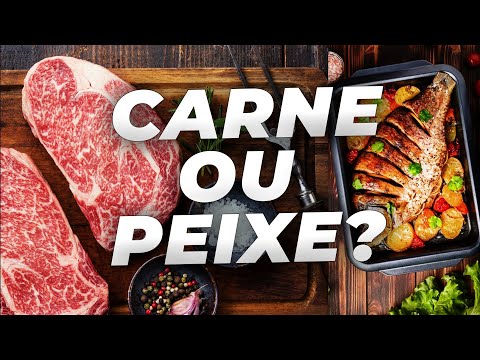
POSSO COMER CARNE NA SEMANA SANTA?
É pecado comer carne na semana santa? Posso comer carne na páscoa? Por que cristãos não comem carne na sexta-feira da ...
Returning to Joy at Easter
After days of restraint, the answer to Semana Santa pode comer carne becomes a resounding yes on Holy Saturday night and throughout the Easter season.
The table is set not only with favorite dishes but also with the memory of the journey from suffering to resurrection, reminding everyone that sacrifice is never the final word.
By honoring both the discipline and the celebration, families keep the true spirit of Semana Santa alive, carrying its peace and hope into every ordinary meal.
