Table of Contents
Origins and Historical Context
Understanding Rua Antonio Marinho Vanderlei begins with looking at the history behind the name. Antonio Marinho Vanderlei was a figure linked to regional development, and the street inherited his name as a way of preserving his legacy. Over time, urban growth transformed the surroundings, but the street maintained its role as a quiet artery within the local network of roads.
In many cities, streets become more than simple connectors between points; they accumulate stories, businesses, and memories. Rua Antonio Marinho Vanderlei is no exception, having witnessed changes in architecture, commerce, and the everyday routines of those who live and work nearby. The choice to name a public space after someone is always a way of honoring contributions, and this street stands as a practical reminder of that tradition.
Daily Life and Local Commerce
On a regular day, Rua Antonio Marinho Vanderlei hosts a mix of residents going about their routines and small establishments that cater to everyday needs. You can find corner stores, small service shops, and occasional stalls that add color and convenience to the block. The pace here is generally relaxed, allowing for brief conversations with neighbors and shopkeepers.
Local commerce tends to reflect the character of the community, with business owners often knowing their customers by name. This familiarity creates a sense of trust and continuity, which is valuable in rapidly changing urban environments. The street benefits from this ecosystem, as the presence of engaged shopkeepers helps maintain a visible and active sidewalk culture throughout the day.
Architecture and Urban Texture
The architecture along Rua Antonio Marinho Vanderlei varies between older residential buildings and more recent interventions. You might see houses with front gardens, small apartments above ground‑floor businesses, and modest structures that have been adapted over time. These layers of construction give the street a tangible history that is visible in the materials, heights, and styles of the buildings.
Public lighting, signage, and street furniture contribute to the urban texture, especially after sunset. The way the street is maintained—clean sidewalks, functional drainage, and attentive greenery—affects how comfortable and welcoming the space feels. Small details, such as benches at intersections or trees along the median, can turn a simple walk into a more pleasant experience for everyone.
Community Identity and Social Practices
Streets like Rua Antonio Marinho Vanderlei often become the backdrop for community life, even if they are not formally designated as public squares. Neighbors may gather near a particular shop, children play in safe corners, and local associations sometimes organize activities that use the sidewalk or nearby facilities. These practices reinforce a shared identity that is rooted in a specific place.
Festas juninas, local markets, or simple block parties can animate the street, turning an ordinary route into a space for celebration. The participation of families, schools, and small cultural groups helps keep traditions alive while also introducing new forms of expression. In this way, the street serves as both stage and support for the social fabric of the neighborhood.
Connection to the Wider City
Although Rua Antonio Marinho Vanderlei may be a side street, it does not exist in isolation. Public transportation routes, bike lanes, and pedestrian pathways can link it to larger avenues and transit hubs, making it part of a broader mobility network. This connectivity influences how easily residents can reach schools, health centers, jobs, and leisure spaces.
The relationship between this street and the city around it is also economic. Suppliers, delivery services, and informal traders rely on these connections, and changes in urban policy or infrastructure can have direct effects on daily life. Understanding this context helps explain why small adjustments—like improved signage or better lighting—can have a meaningful impact on the neighborhood.
Challenges and Future Perspectives
Like many urban spaces, Rua Antonio Marinho Vanderlei faces challenges related to maintenance, safety, and the pressure of real estate speculation. Residents may worry about rising costs, changes in the local business landscape, or the loss of familiar storefronts. These concerns are part of a larger conversation about how cities can grow without erasing the character of their older neighborhoods.
Looking ahead, efforts to involve the community in planning decisions can help preserve the social qualities that make the street special. Initiatives that promote clean streets, cultural activities, and support for local entrepreneurs can strengthen the identity of the area. When people feel that their street belongs to them, they are more likely to care for it and imagine new ways to use it together.
Related Videos
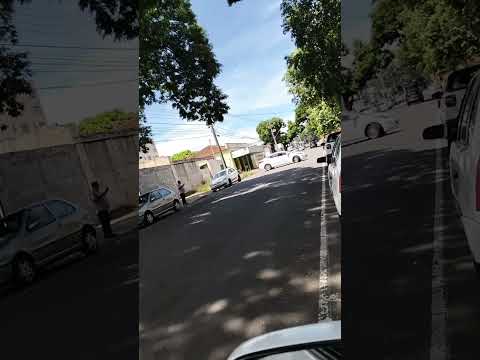
Na Rua de Umuarama;@vardeleirodrigue
Centro de Umuarama;@vardeleirodrigue.
Conclusion
Rua Antonio Marinho Vanderlei is more than a line on a map; it is a living space where history, commerce, and everyday social life intertwine. By paying attention to its details, from the names on the buildings to the rhythm of foot traffic, one can appreciate how ordinary streets contribute to the character of a city. Continued care and community participation will ensure that it remains a welcoming place for current and future generations.
