Table of Contents
Exploring the nuances of parte do corpo em inglês helps language learners describe physical sensations, injuries, and emotions with precision, turning everyday conversations into clear and confident communication. Whether you are talking about a throbbing head, a healing cut, or the heart of a matter, choosing the right word for each part of the body makes your English sound more natural and specific.
Head and Neck Parts in English
The head is often the starting point when learning parte do corpo em inglês because it houses many important features. You have the head itself, the face in front, the neck connecting to the shoulders, and the hair covering much of the scalp. Specific parts like the forehead, cheek, chin, and neck are useful when describing expressions, injuries, or how you feel.
When practicing parte do corpo em inglês, pay attention to the differences between similar words. For example, temple refers to the side of the forehead near the eyes, while nape describes the back of the neck. Including these details enriches your vocabulary and allows you to talk about headaches, hairstyles, or cultural gestures like bowing or kissing the cheek with accuracy.
Facial Features and Expressions
Diving deeper into parte do corpo em inglês, facial features become essential for both identification and emotional expression. Words like eyebrow, eyelash, nose, lip, and tongue help you describe someone’s appearance or a medical symptom. You can mention a smile, a frown, or a trembling lip to convey feelings without saying much at all.
- Eyes and vision-related terms such as eyelid, pupil, and iris expand your descriptive range.
- Ears are not only for hearing; phrases like earlobe or inner ear appear in both casual and medical contexts.
- Nose and related terms like nostril are useful for describing allergies, colds, or even personality traits in idiomatic English.
Upper Body Parts
Moving down the body, the torso connects the head to the lower body and includes important organs and muscle groups. When learning parte do corpo em inglês, you will encounter terms such as chest, back, shoulder, arm, elbow, wrist, and hand. These words are vital for explaining where pain is located, how to perform exercises, or how to gesture during conversation.
The chest houses the heart and lungs, so it often appears in both health discussions and metaphors about emotion. Meanwhile, the arm and hand have many parts, including the fingers, thumb, palm, and knuckle, which you can reference when talking about gripping, pointing, or counting.
Arm and Hand Vocabulary
To master parte do corpo em inglês, it helps to break down the arm into clear sections. The upper arm is called the biceps or simply arm, while the lower arm includes the forearm, which contains the wrist and connects to the hand. The hand itself contains the palm, the back of the hand, and the fingers, each with three joints except for the thumb, which has two.
Using these terms correctly can improve both your everyday English and your ability to explain medical issues. For example, instead of saying “my arm hurts,” you can specify whether it is your shoulder, elbow, wrist, or fingers that is causing discomfort, making communication more efficient and accurate.
Lower Body Parts
Below the waist, the vocabulary of parte do corpo em inglês continues with the hips, legs, knees, ankles, and feet. These parts are essential for movement, balance, and many common expressions. Knowing the difference between the thigh, calf, heel, and toe allows you to describe everything from sports injuries to how you walk or stand.
The foot has its own detailed structure, including the arch, sole, toenails, and the ball of the foot. Talking about walking, running, or dancing becomes more precise when you can refer to specific parts rather than just saying foot or leg.
Legs and Feet Details
When studying parte do corpo em inglês, dedicating time to the leg muscles and bones pays off. The upper leg is the thigh, the knee connects to the shin and calf, and the ankle joins the foot. The foot includes the heel, the instep, and the toes, each with a and a joint that helps with balance and propulsion.
- Knee injuries are common in sports, so words like kneecap and ligament are useful.
- Ankle and wrist are flexible joints that allow for a wide range of motion.
- Toes help with grip and balance, and each one has a name, such as big toe or pinky toe.
Internal Organs and Systems
Beyond the visible parte do corpo em inglês, understanding internal organs adds depth to your language skills, especially in medical or scientific contexts. Words like heart, lungs, liver, kidneys, and stomach appear frequently in health discussions, news reports, and everyday worries about wellness.
The heart symbolizes emotion, while the lungs relate to breathing and endurance. Mentioning the brain connects to thought and intelligence, and the stomach is tied to both digestion and nervous feelings, as in “I have butterflies in my stomach.” Knowing these terms allows you to talk about health, feelings, and even abstract ideas with confidence.
Organ-Related Expressions
Many common phrases in English refer to internal parts learned through parte do corpo em inglês. You might say something is close to your heart, feel butterflies in your stomach, or have cold feet before a big event. Expressions involving the heart, mind, and gut are especially common in storytelling, advice, and casual conversation.
Learning these expressions alongside the literal words for organs helps you understand not only the language but also the culture. When you know that people refer to the liver or kidneys in sayings, or talk about the mind and soul, you gain a richer, more nuanced view of English communication.
Common Injuries and Health Terms
Discussing health issues is one of the most practical uses of parte do corpo em inglês. Knowing how to name a cut, burn, bruise, or fracture allows you to explain what happened clearly to a doctor, a friend, or an insurance agent. Words like sprain, strain, swelling, and infection help you describe symptoms and recovery progress.
You can also talk about general conditions such as fever, cough, headache, or back pain, which are common topics in both personal conversations and medical settings. Being precise with terms like temperature, pulse, and blood pressure shows a higher level of English proficiency and helps you advocate for yourself or others.
Injury and Pain Vocabulary
To handle health conversations, build a small toolkit of pain- and injury-related words from parte do corpo em inglês. Use verbs like hurt, ache, throb, and sting to describe how something feels. Combine them with body parts such as head, back, or joint to form clear sentences like “My lower back aches after sitting all day.”
Understanding medical instructions also depends on knowing body-related vocabulary. Directions involving the ankle, wrist, or neck often appear in physiotherapy plans, so being familiar with these terms speeds up recovery and reduces confusion during appointments.
Related Videos
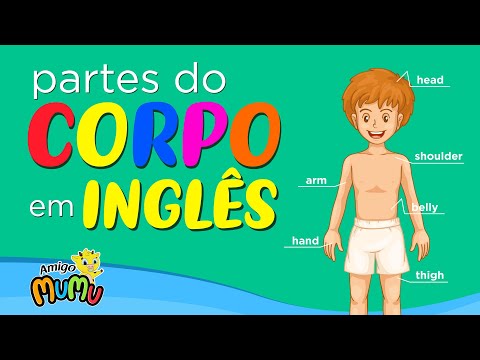
Partes do Corpo Humano em Inglês | Partes do Corpo em Inglês
Partes do Corpo Humano em Inglês | Partes do Corpo em Inglês Aprenda as partes do corpo humano em inglês, aprender inglês ...
Conclusion
Mastering parte do corpo em inglês is more than memorizing a list of words; it is about building the ability to describe your physical experience with clarity and confidence. From the head to the toes, each part has a name that can change the meaning of a sentence, turn a vague feeling into a precise symptom, or add detail to a simple story. By practicing these terms in context, you improve both your everyday English and your readiness for real-life situations.
As you continue learning, remember that the goal is not perfection but progress. The more you connect words like heart, hand, knee, and stomach to real experiences, the more natural your English will become. Keep exploring, keep practicing, and let your vocabulary grow as steadily as your understanding of the human body.
