Table of Contents
Basic Parts of the Body in English
When people start learning nomes do corpo humano em inglês, they usually begin with basic parts that are easy to point to and recognize. These include the head, shoulders, knees, and toes, which appear in a popular song that helps children remember them. Each word names a clear area, such as head for the upper part of the body that contains the eyes, ears, nose, and mouth.
From the head, the vocabulary extends down the neck, onto the chest, and across the abdomen, which is often called the stomach or belly in casual speech. The arms divide into the upper arm, forearm, wrist, hand, and fingers, while the legs split into the thigh, knee, lower leg, ankle, foot, and toes. These core terms form the foundation of nomes do corpo humano em inglês and appear in many beginner English lessons because they are useful and frequently needed.
Detailed Names for the Upper Body
The upper body contains many structures that learners label using specific nomes do corpo humano em inglês, especially when discussing health, fashion, or physical activity. The chest and abdomen lead down to the waist, hips, and back, which includes the spine running from the neck to the pelvis. Shoulders, elbows, wrists, and fingers are precise terms that replace more general words like arm or hand when clarity is important.
- Head – includes face, eyes, ears, nose, mouth
- Neck – connects head to torso
- Chest and abdomen – front upper body regions
- Back and spine – rear surface and supporting bone
- Shoulder, elbow, wrist, hand, and fingers
In conversations about injury, posture, or exercise, these detailed nomes do corpo humano em inglês help speakers communicate exactly where a problem is located. For example, saying wrist pain is more specific than saying arm pain, and it allows a doctor or friend to understand the issue faster. Using precise terms also makes descriptions in diagrams, first aid guides, and fitness plans much clearer.
Detailed Names for the Lower Body
Below the waist, the vocabulary of nomes do corpo humano em inglês continues with terms for the legs, feet, and related parts that support movement and balance. The upper leg is called the thigh, the middle joint is the knee, and the lower leg includes the calf and shin. The ankle, heel, foot, and toes complete the lower region and are essential for describing walking, running, or injuries.
- Hip and waist – sides and lower torso
- Thigh – upper leg muscle
- Knee – central joint
- Calf and shin – lower leg
- Ankle, heel, foot, and toes
People often rely on these nomes do corpo humano em inglês when filling out medical forms, following exercise routines, or explaining where they feel discomfort. Describing a sprained ankle or a sore knee becomes easier when the correct word is used instead of vague phrases like lower leg or foot. This precision supports better understanding in both personal and professional settings.
Internal Organs and Systems
Beyond the visible frame, nomes do corpo humano em inglês also include internal organs and systems that keep the body functioning. The heart pumps blood, the lungs handle breathing, and the brain coordinates thoughts and actions. Other major organs such as the liver, stomach, intestines, and kidneys play specific roles in digestion, filtering, and immunity.
Learning these internal names helps students connect outer vocabulary with what happens inside the body, which is valuable in science classes and health education. Sentences like the heart beats or the lungs expand become more meaningful when students can link them to the correct terms. This deeper layer of nomes do corpo humano em inglês supports advanced discussions in biology, medicine, and self care.
Using Body Part Vocabulary in Real Situations
Mastering nomes do corpo humano em inglês is useful in many real life contexts, from describing symptoms to following exercise instructions. In a doctor’s office, knowing the difference between arm, elbow, and wrist can help patients point out exactly where pain occurs. Teachers use these terms when guiding children through stretches, games, or anatomy lessons, making activities safer and more organized.
- Health – explaining pain, medications, and treatments
- Fitness – guiding movements and stretches
- Education – teaching anatomy and language together
- Travel – handling emergencies and describing needs
By practicing these words in context, learners build confidence and avoid misunderstandings. Clear language reduces frustration when trying to find the right term for a specific part, especially in urgent or detailed situations. Regular use of nomes do corpo humano em inglês in speaking, writing, and labeling reinforces memory and improves overall English proficiency.
Related Videos
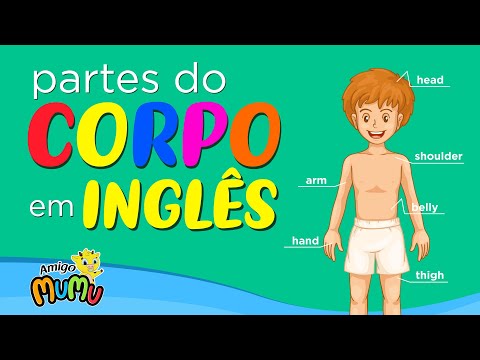
Partes do Corpo Humano em Inglês | Partes do Corpo em Inglês
Partes do Corpo Humano em Inglês | Partes do Corpo em Inglês Aprenda as partes do corpo humano em inglês, aprender inglês ...
Tips for Learning and Remembering Body Part Vocabulary
Consistent practice makes it easier to remember nomes do corpo humano em inglês, especially when learners connect words with images, movements, or personal experiences. Labeling a diagram, touching each part while saying its name, or tracing shapes in the air can strengthen memory through multiple senses. Songs, flashcards, and simple descriptions also turn study time into an engaging activity rather than a chore.
Another effective strategy is to integrate these terms into daily routines, such as describing what the body does during exercise or noting sensations after a long day. Phrases like I stretched my back or My feet are tired naturally introduce nomes do corpo humano em inglês without forcing memorization. Over time, these words become familiar tools that support both language growth and body awareness.
In conclusion, understanding nomes do corpo humano em inglês empowers learners to talk about their bodies with precision and confidence in a wide range of situations. From basic parts to detailed regions and internal systems, these vocabulary items support clear communication in health, education, and everyday life. By practicing regularly and using the words in real contexts, speakers build a strong foundation for both language development and personal awareness.